

One of the pleasures of visiting Moura is stepping back in time and discovering the traces left by its long history.
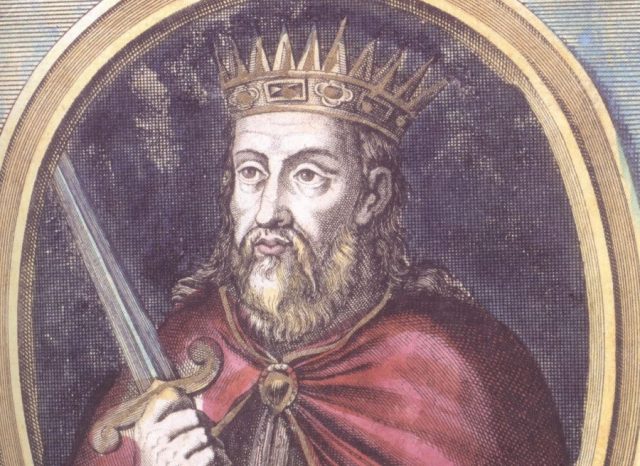
In 1166, the brothers Pedro and Álvaro Rodrigues took this Baixo Alentejo town from the Moors. It changed hands several times before King Dinis, who reigned from 1279 to 1325, ordered the rebuilding of its fortifications and granted it a charter in 1295.
Known as Aruci Novum in Roman times and as Al-Manijah under Muslim rule, Moura owes its present name to the legend of Salúquia. On the eve of her wedding, Princess Salúquia is said to have thrown herself from the castle tower after discovering that the town had fallen to Christian forces and believing that her fiancé, Bráfama, had been killed. Moved by the story, the Rodrigues brothers named the town Terra da Moura Salúquia, later shortened to Moura.
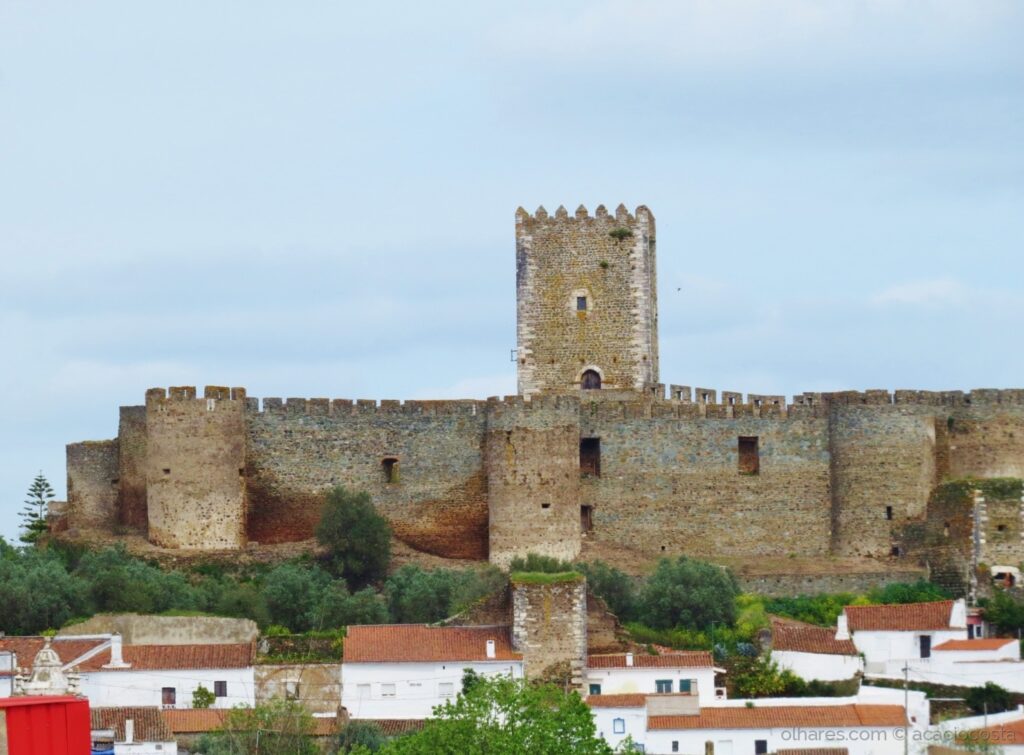
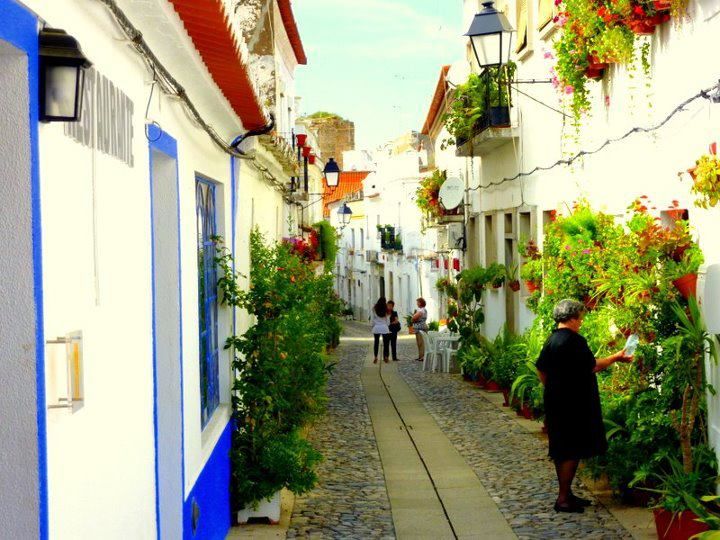
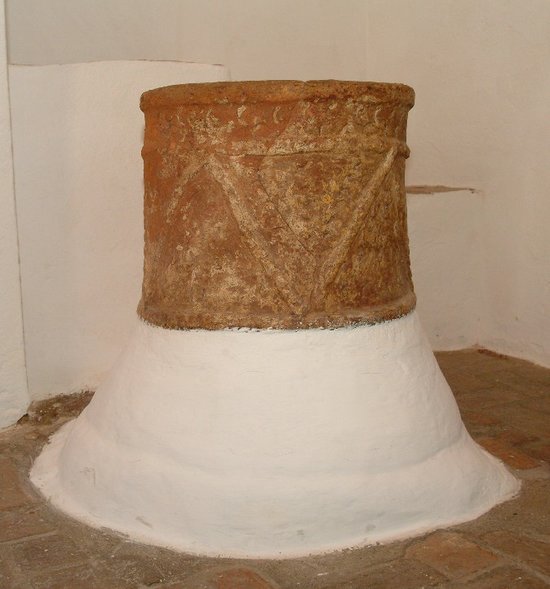
Start in the Mouraria, the old Moorish quarter beside the castle. Along Rua da Muralha Nova, a stretch of the late 17th-century wall survives. In the centre of the quarter, the Arab Well, documented from the 14th century, and finds of pottery bear witness to Moura’s Muslim past.
That history lives on in the town’s culture and traditions. Take a walk through Moura to see how much of its past is still visible today.