

Woven by hand on traditional looms in Reguengos de Monsaraz, Alentejo blankets have survived modernisation and globalisation. Mizette Nielsen, who has run the wool mill for around 40 years, helped preserve the tradition and bring it to international customers. Sales were strong until the mid-1980s. After Portugal joined the European Economic Community in 1986, orders fell sharply.
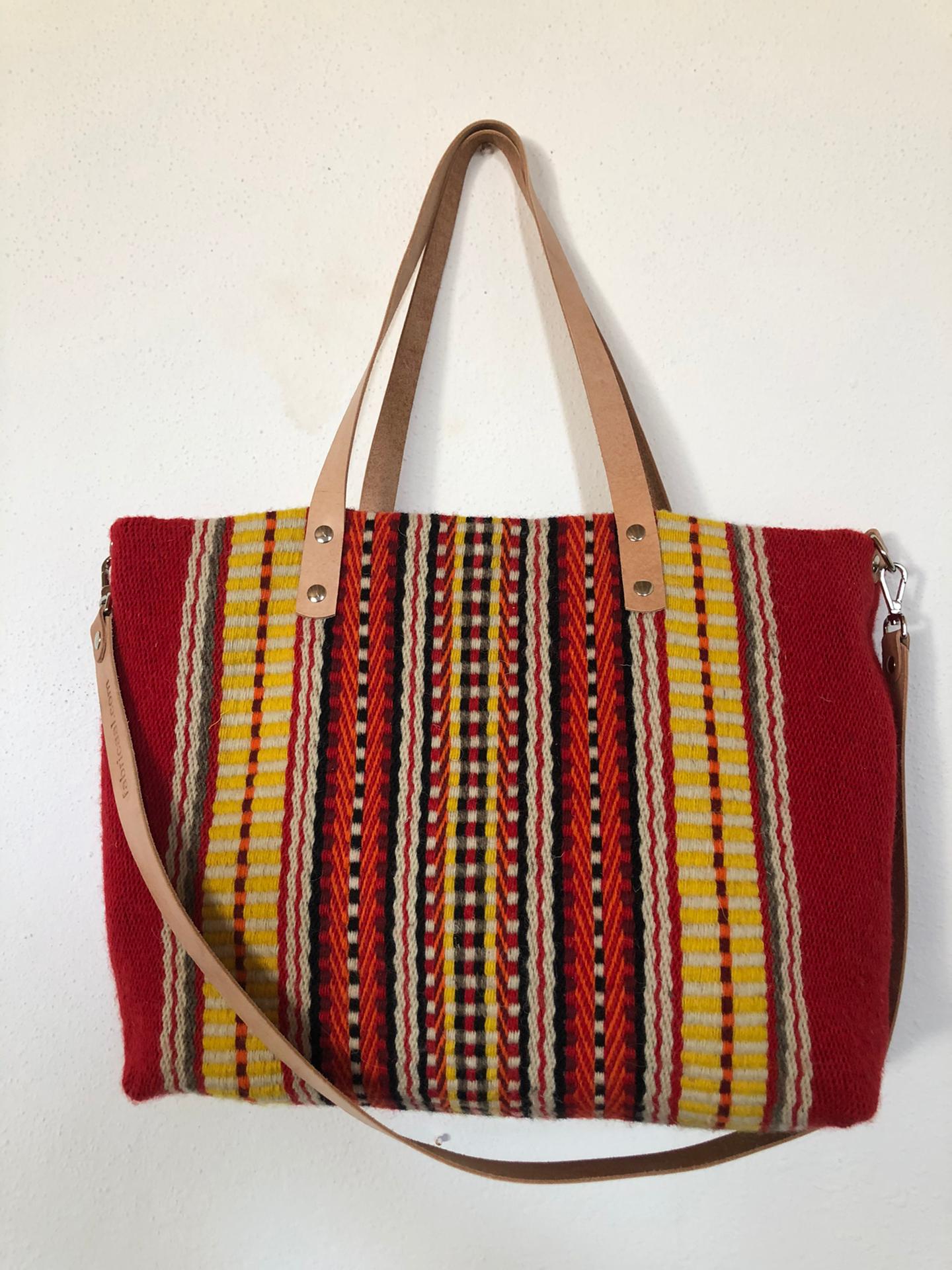
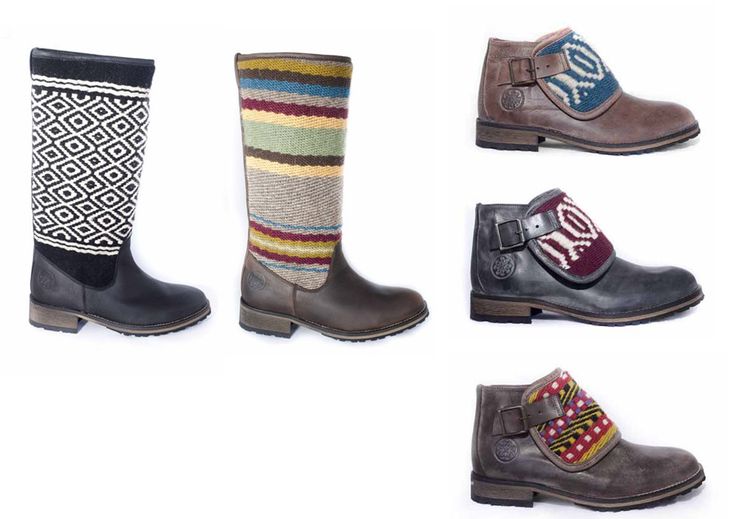
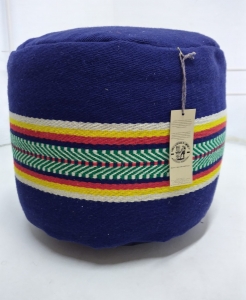
Nielsen kept the workshop going by making rugs, then fabrics for pouffes, curtains and even shoe details for the Portuguese brand Buenos Aires. Requirements for funded rural tourism properties to use local products brought new orders. L’AND Vineyards has around a hundred rugs made at the mill, and Herdade do Esporão also uses its work. A visit from Japanese designer Kenzo Takada helped revive international orders.
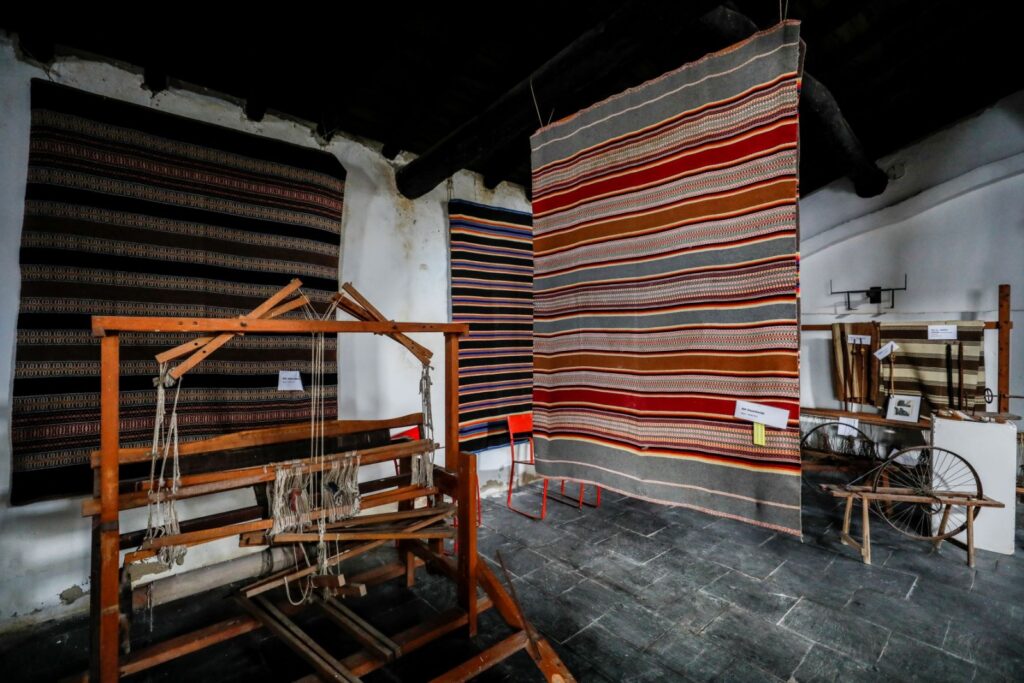
Alentejo shepherds once used the blankets to keep warm while tending their flocks. Until the 1970s the blankets were soaked in the previous year’s olive oil and dried in the sun to make them water-resistant. Today you can buy blankets and related products at the mill or in shops selling traditional Portuguese goods.