

Wine Tourism in the Alentejo: Where to Go
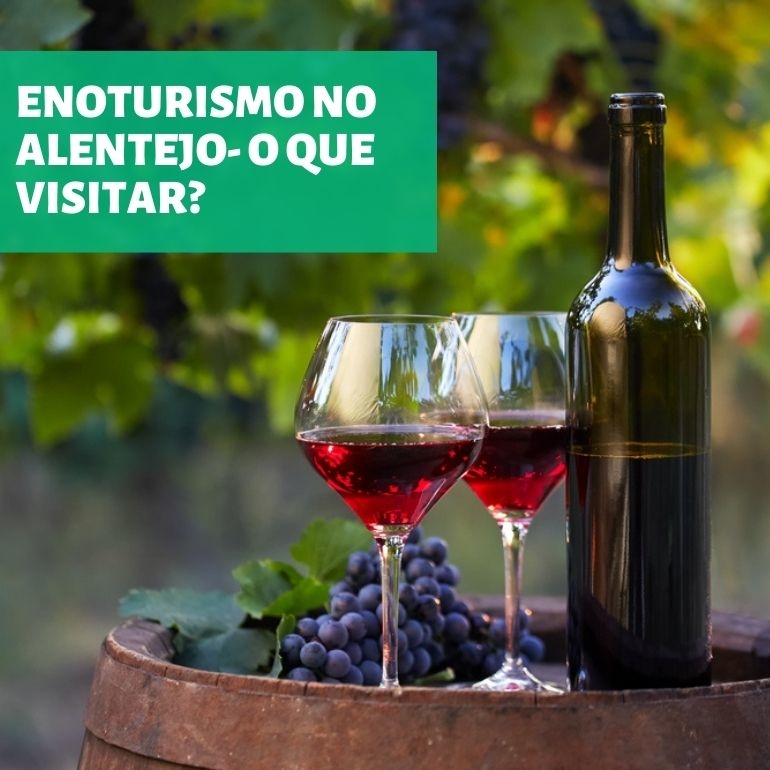
The Alentejo produces distinctive wines enjoyed across Portugal and abroad. Red varieties include Aragonez, Alfrocheiro, Alicante Bouschet, Castelão, Trincadeira, Touriga Nacional, Touriga Franca, Moreto, Syrah and Cabernet Sauvignon. Whites include Antão Vaz, Arinto, Roupeiro, Fernão Pires, Manteúdo, Perrum, Rabo de Ovelha, Tamarez, Trincadeira das Pratas, Viosinho, Verdelho and Chardonnay. You can taste and buy local […]
Three River Beaches to Visit Near Moura
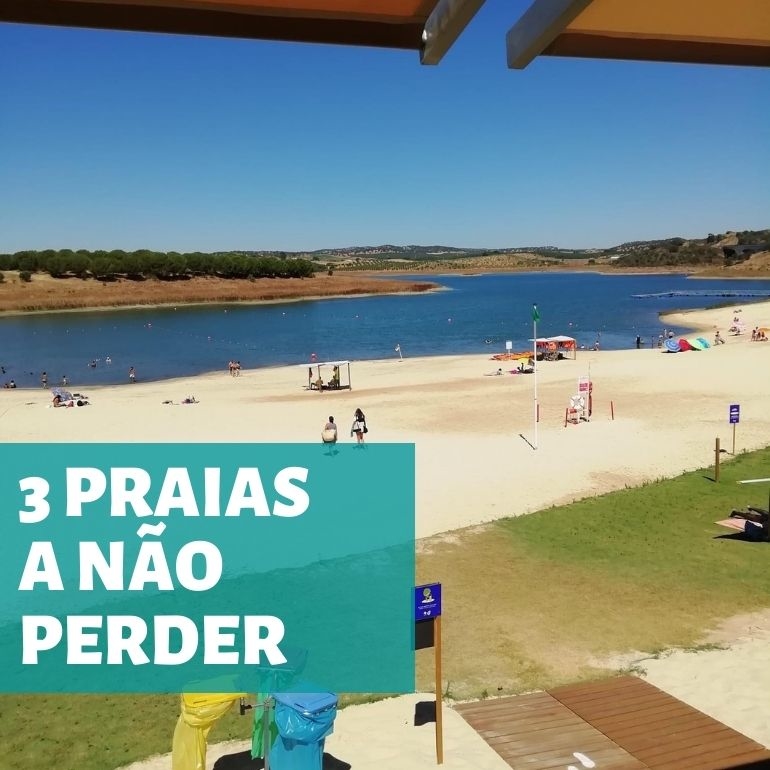
The olive groves and vineyards of the Alentejo hint at two of its greatest pleasures: olive oil and wine. The region is also known for its wide plains, historic landmarks such as Évora’s Roman Temple and Monsaraz, welcoming people, crafts and river beaches. 1. Monsaraz River Beach Opened on 1 June 2017, this accessible Blue […]
History and Culture in Moura
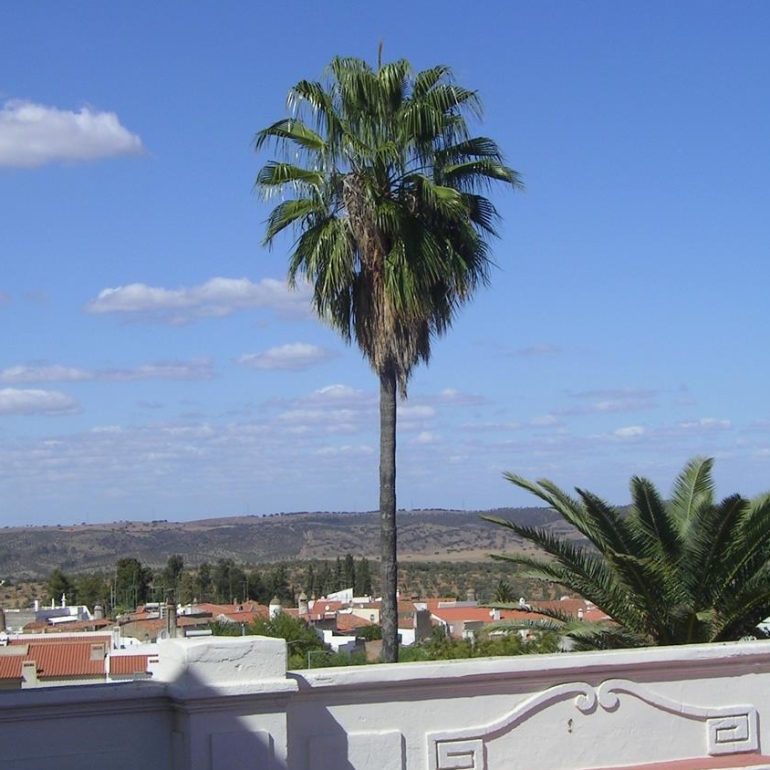
One of the pleasures of visiting Moura is stepping back in time and discovering the traces left by its long history. In 1166, the brothers Pedro and Álvaro Rodrigues took this Baixo Alentejo town from the Moors. It changed hands several times before King Dinis, who reigned from 1279 to 1325, ordered the rebuilding of […]
Visiting Alqueva: The Alentejo’s Landmark Dam
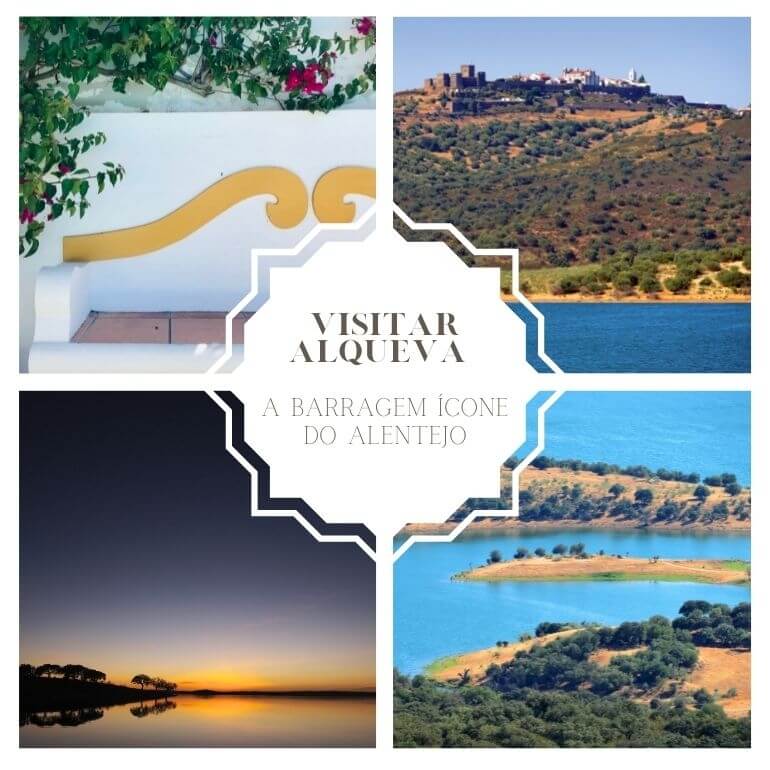
Lake Alqueva, described as Europe’s largest artificial lake, stretches across a landscape dotted with small islands. The name is related to alqueive, meaning fallow or barren land. The dam stands on the Guadiana, one of the Iberian Peninsula’s longest rivers, near the village of Alqueva. The river can be navigated to Mértola, a journey of […]
The Culinary Heritage of the Alentejo
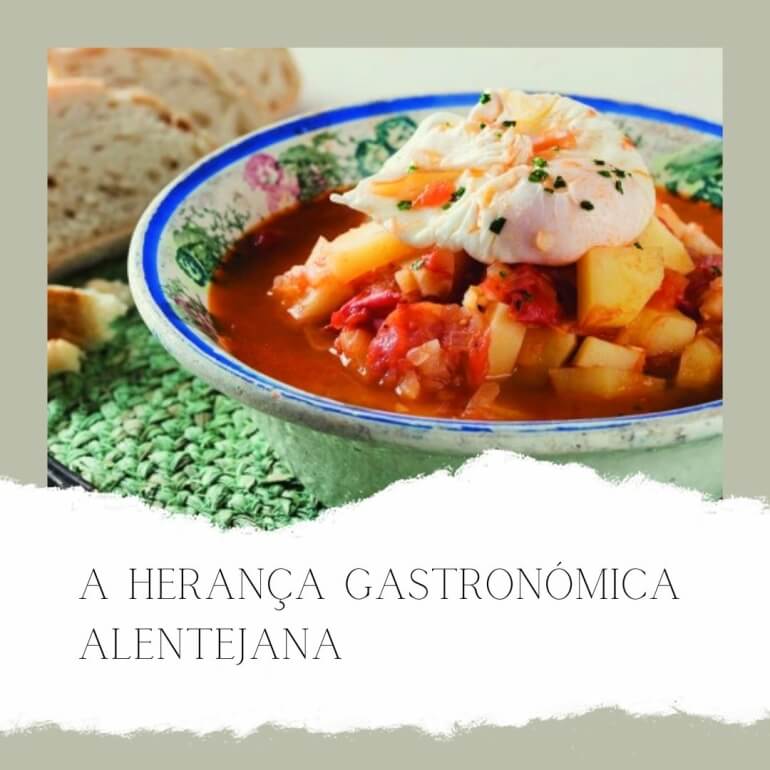
The Phoenicians, Celts, Romans, Visigoths and Arabs all influenced Alentejo cooking. The Phoenicians expanded the cultivation of wheat, barley, beans, garlic, peas and onions, as well as apples, walnuts, grapes and figs, and introduced methods of making olive oil and preserving fish in salt. The Celts brought traditions of rearing livestock and hunting, with a […]
The Miguel Hernández Olive Tree Garden
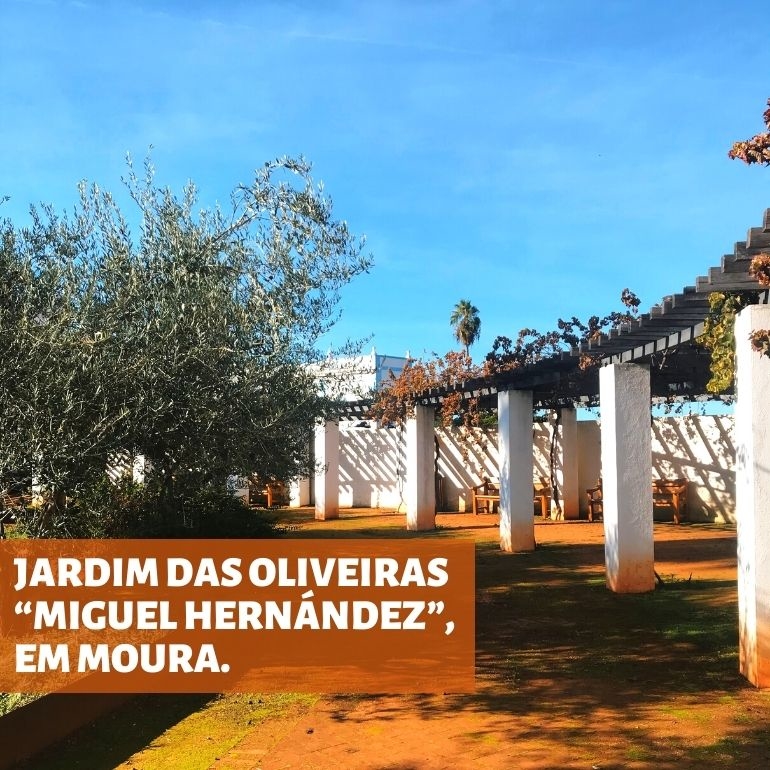
Olive groves are a familiar sight in the Alentejo and one of its main sources of income. Moura’s Miguel Hernández Olive Tree Garden opened in 2012 in honour of the Spanish poet, who fought for the Republicans during the Spanish Civil War (1936–39). He crossed into Portugal near Moura after the war, was arrested by […]
Cante Alentejano: A UNESCO-Recognised Singing Tradition
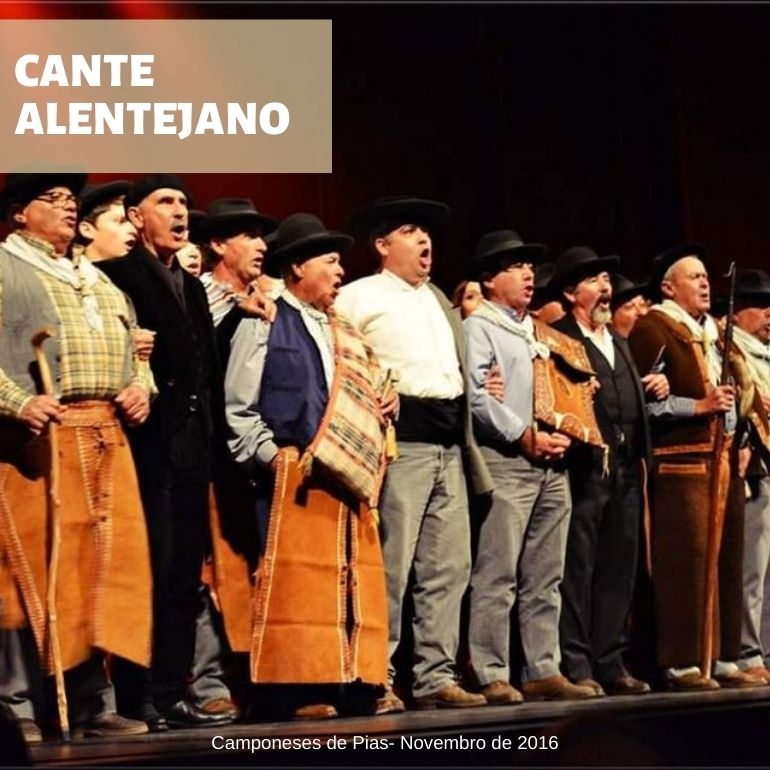
Cante Alentejano has roots in rural communities and often gave voice to dissatisfaction with working conditions or the low regard for certain occupations. It is particularly associated with the municipalities of the Baixo Alentejo in the district of Beja. Groups of men, women or both sing unaccompanied. Two lead voices, the ponto and the alto, […]
A Guide to Activities in Moura
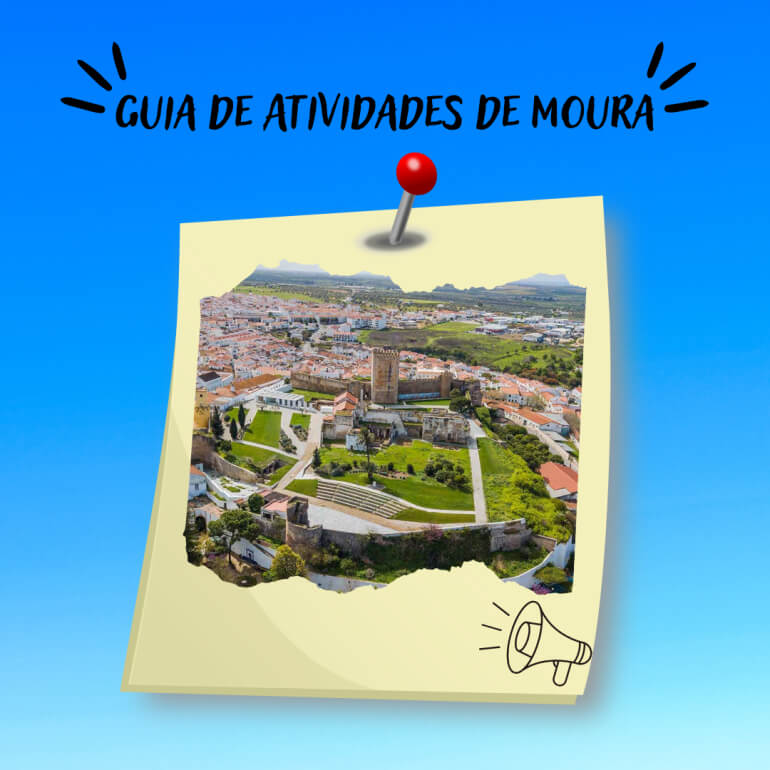
Looking for something different to do? Moura offers activities on the water, in the countryside and in town. Hotel de Moura is a comfortable base for exploring the area. Try canoeing, sailing or windsurfing on Lake Alqueva. For a quieter day, fish from the banks of the Ardila or Guadiana, or at the reservoir, or […]
Alentejo Blankets: The Revival of a Tradition

Woven by hand on traditional looms in Reguengos de Monsaraz, Alentejo blankets have survived modernisation and globalisation. Mizette Nielsen, who has run the wool mill for around 40 years, helped preserve the tradition and bring it to international customers. Sales were strong until the mid-1980s. After Portugal joined the European Economic Community in 1986, orders […]
The Enchanted Castle
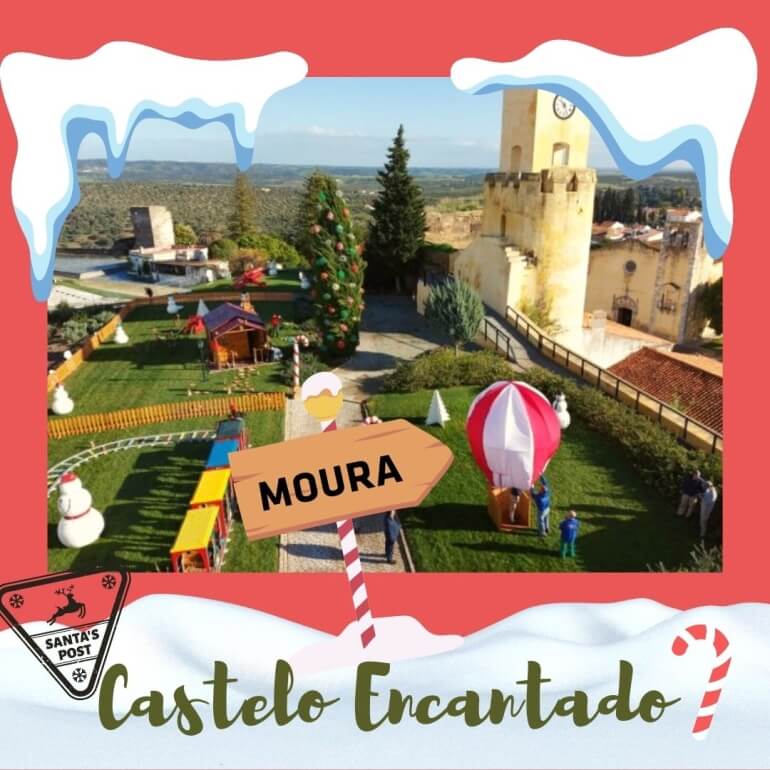
Every December, Moura’s Enchanted Castle returns and usually runs into January. For the festive season, the castle grounds become a Christmas village with activities for the whole family. Attractions announced by the municipality include an ice rink, inflatables, Christmas markets with local producers, theatre, music, the Enchanted Train, the Dream Plane and Father Christmas’s house. […]